

Short answer
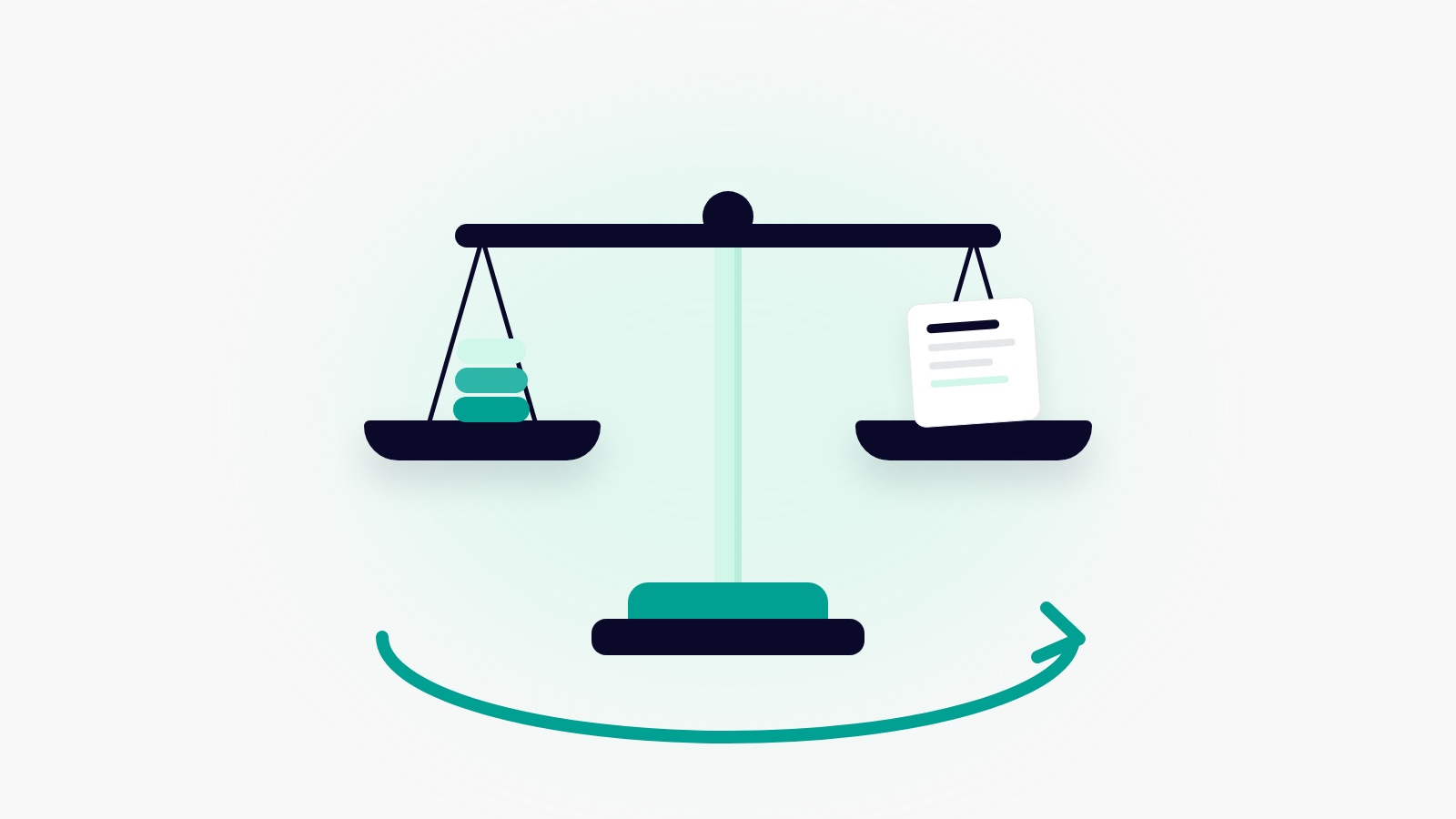
A commission true-up is an adjustment that brings commission already paid in line with the final numbers once they are known, for example after a premium audit, an endorsement, a cancellation, or a loss-ratio recalculation. A true-up gap is an adjustment the carrier owes but never pays, and it is one of the easiest forms of revenue leakage to miss.
What causes commission true-ups?
- Premium audits. Final audited exposure, such as payroll or sales, changes the premium and therefore the commission.
- Endorsements. Mid-term changes add or return premium.
- Cancellations. Returned premium triggers a commission chargeback.
- Sliding-scale adjustments. Loss-ratio results move the commission tier up or down.
- Rate corrections. A carrier fixes a rate it applied incorrectly.
Why do true-ups get missed?
True-ups arrive months after the original transaction, often on a different statement and sometimes with little detail. If nobody tracks the open adjustment, there’s nothing to notice when it fails to arrive. Downward true-ups get collected by the carrier automatically. Upward true-ups depend on someone asking.
How do you track true-ups so you collect them?
- Log every event that should trigger an adjustment: audits, endorsements, cancellations, and scheduled sliding-scale reviews.
- Record the expected direction and amount where you can estimate it.
- Match each true-up that arrives to its open item.
- Review open items before each period closes and follow up with the carrier on anything overdue.
- Recalculate affected producer payouts so true-ups flow through to compensation.
Should producer commissions change when a true-up arrives?
Usually yes, if your plan pays producers on commission received. Write the rule into the plan so producers know how chargebacks and positive adjustments are handled, and apply it consistently.
How AccountAim helps
Commission Intelligence surfaces true-up gaps, adjustments the carrier owes but never paid, before the period closes, so you can follow up while the data is fresh. Because AccountAim’s Commission Engine calculates producer pay from reconciled data, adjustments flow through to payouts with a full audit trail.
Frequently asked questions
What is the difference between a true-up and a chargeback?
A chargeback is a specific downward adjustment, usually when premium is returned after a cancellation. A true-up is any adjustment, up or down, that aligns commission with final numbers.
How long after a policy period do true-ups arrive?
It varies. Audit-based true-ups can arrive months after the policy expires, and sliding-scale adjustments follow the carrier’s review schedule.
Who is responsible for tracking true-ups?
Usually the agency’s accounting or commissions team. Without a tracking process, upward adjustments are easy to lose.
Can software track true-ups automatically?
Yes. Reconciliation software that compares paid against expected can flag adjustments that should have arrived but didn’t.
See what your carrier statements are hiding
Bring a few real statements. We’ll show you underpayments, sliding-scale errors, and true-up gaps in a live demo.
Schedule a demo Explore Commission Intelligence